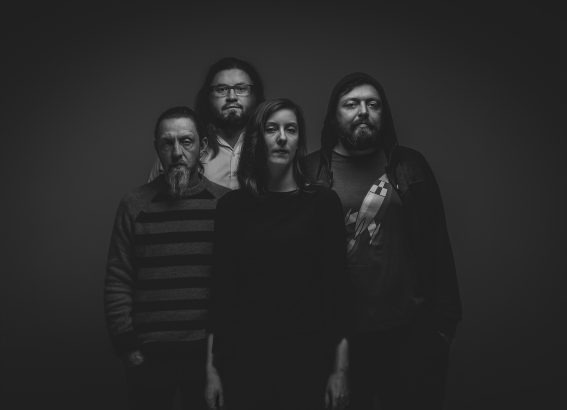
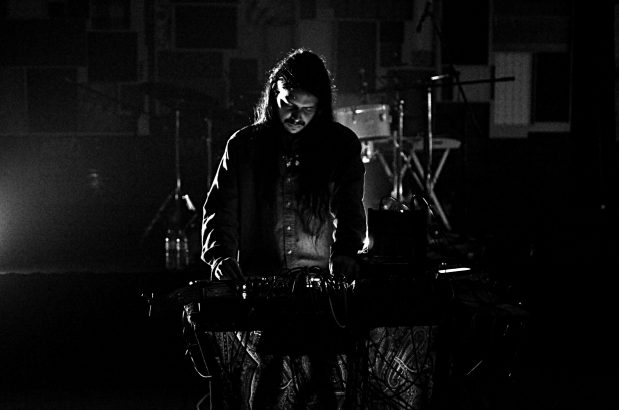
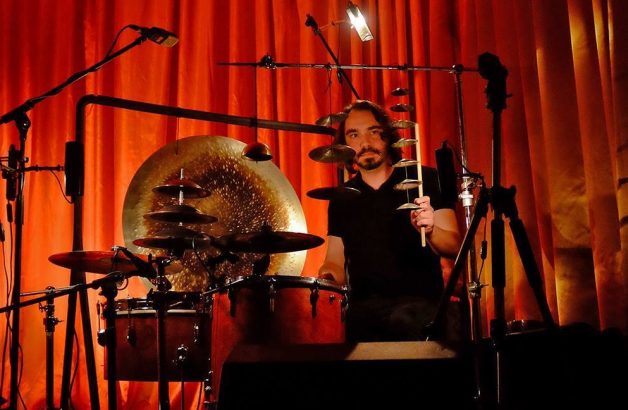
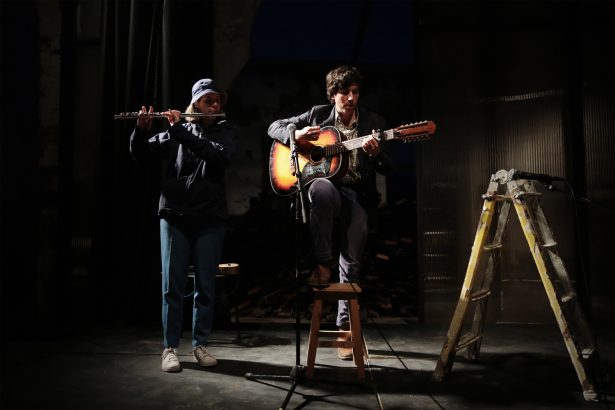
We spoke with Ernesto González (Bear Bones, Lay Low and other projects) before his performance at ADAO about his Portuguese tour, the Belgian and Venezuelan music scenes and much more. You can read it all below:
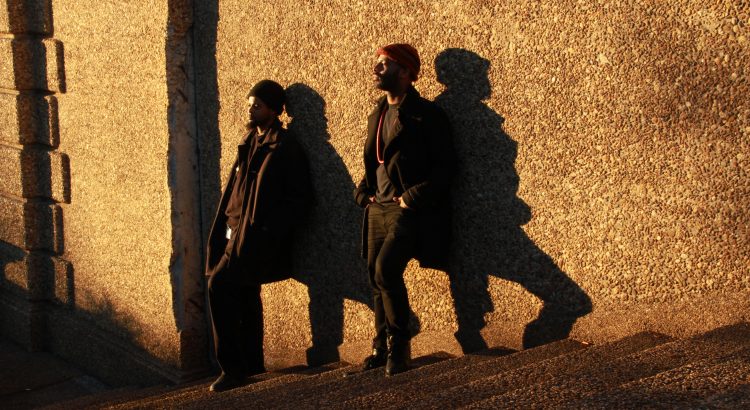
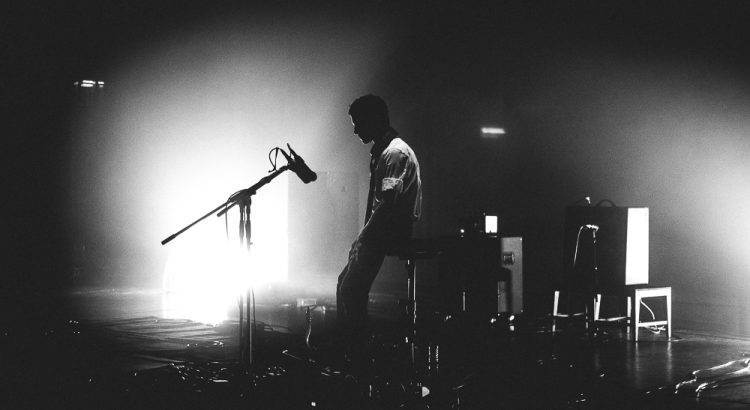
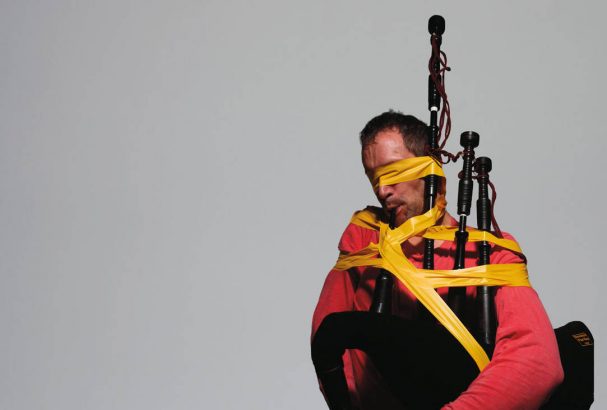
Photo courtesy of Pedro Roque – Eyes of Madness
Hi Ernesto, you’ve been touring Portugal for a little while now, what’s your experience been like so far?
Yeah, I’ve been to plenty of places from up north to here in Barreiro, and it’s been really special actually…I didn’t quite know what to expect, but it really exceeded my expectations in a way, I played in all types of venues every night, met some really wonderful and magical people, and the shows, for once, have been constantly pretty good, I’m always very critical of what I do so… This little tour has been like “Oh, this is nice, I’m not fucking up so much…” or maybe I’m fucking up in the right way, and the people have been enjoying it every night, even though what I understood from Portuguese crowds is that they’re more reserved. At least in a lot of places I played, since it was only me playing for the whole evening, people show up, they’re a bit quiet at first, and then depending on the situation they might get into it more and start dancing. But it’s funny, I always thought they weren’t enjoying it that much, but then at the end it was always quite well received. So yeah, this has been quite a memorable tour, thanks to Ya Ya Yeah Music.
Your music has a very deeply organic feel, despite your usage of electronic paraphernalia. Can you tell us a bit about Bear Bones, Lay Low’s history, inspiration and references?
I started this project maybe… eleven years ago or even more, I was sixteen back then. The first recordings I made came out with this name. This was supposed to be just a noise project - when I was sixteen I was starting to make a lot of recordings by myself inspired by the contemporary noise and psychedelic underground that was going down in the beginning of 2000, mainly stuff from the United States and Europe. It was pretty much when I arrived from Venezuela to Europe, to Belgium, that I got deep into this underground music, I noticed everybody was doing their own thing and this really inspired me, so I was like “okay, I’m going to do my own thing”, and I started exploring several different things, one was like a psychedelic folk project, the other one was supposed to be more like a noise guitar project…and Bear Bones was really like a harsh noise kind of project with simple stuff, and it was really the project that I liked the least, actually (laughs). But since it was the only thing I could do live, I ended up playing under that moniker, and everything I was making at that time kind of fused into what I do now, into the Bear Bones, Lay Low project.
So it just kept on evolving - the more I listen to different types of music, the more I start getting influenced by them, and I start kind of applying what I learned from other records and musicians into my sound. One important event was when a friend of mine brought over a Korg MS-10, an analogue synthesizer, and that really changed my life – I mean I’m not a synth freak but I love synthesizers, those electronic sounds…that was the turning point, and I started developing my music more instead of just sticking to noise and drone, which was what I was doing with Bear Bones pretty much until 2009 and 2010, and I started making music closer to like, Cosmic Music stuff… Listening to stuff like Cluster, and the first Tangerine Dream albums, all this German music, Conrad Schnitzler fucking blew my mind, still blows my mind, he’s one of the artists I admire the most.
Eventually I started playing with another friend of mine called Mike, and we started a band together called Tav Exotic and we started playing more like….Let’s say dance music, electronic stuff but with rhythm and I also started integrating that with Bear Bones, so now it’s a bit of a mix of cosmic, repetitive electronic music with heavy rhythms and kind of maximalist sound, trying to make sounds that are really huge…I’m really inspired by Skullflower and Sunroof, these are bands that still inspire me today…I mean it just evolved learning from records, listening to a lot, I’m always happy to discover new stuff… I don’t feel like I have anything particularly original, I just take things here and there and make a collage.
Over the years you’ve been a part of several projects, including Silvester Anfang, Steenkiste / Hellvet, and recently Tav Exotic (with Weird Dust), and released splits with many artists: what do you look for in these collaborations and how does the creative process differ from your own solo music?
I guess that when I start collaborating with people somehow it starts from an idea we have together. With Tav Exotic, Mike is also very influenced by Cosmic Music, we have very similar tastes, but the approach was to be maybe a little bit…less noisy, you know, we wanted to make more stuff with beats… Now that I think about it, in these collaborations and projects, it often ends up being what comes out naturally - when Mike and I play together we make this kind of stuff, we make sequenced, repetitive electronic dance music, then when I play with my friends from Jooklo Duo, Virginia and David (we have an abstract electronic project called YADER), what we do is electronic improvisation, so I see it more in terms of just getting to know the people, it’s more like a conversation that I can have with certain people. You don’t always use the same language with everyone, I guess you don’t speak with your grandparents the same way you speak with your buddies and it’s like that in these collaborations, it’s a dialogue and getting to know people, and what comes out is a natural extension of this communication, so while there might be precise ideas about a sound, everything that I’ve kind of been involved with has always been pretty, let’s say organic…
I’m always looking to make music with people and I figure that the best way is always when you’re just two people, maybe three…I mean, in Silvester Anfang we were so many that in the end, around 2012 (I joined the band in 2006), it started being difficult - we always ranged from six to eight, nine people and after a while everybody started kind of growing apart, but when you’re just two, you can really do wonderful things, it’s like a good couple (laughs)…
It’s hard to manage a big band especially because there’s always someone who has to take the lead, and not everyone is alright with that arrangement…but it’s a mirror of how society works, you can kind of draw a parallel line there, some people are more eager to take initiative to create a structure, other people are there to question that structure, other people have more of a background role, and everybody kind of finds their own place to make things work, but when you don’t know your own place and you start criticizing other people’s roles, that’s when things start to get dysfunctional and it just kind of breaks apart. What I’ve learned in that band is that’s very important to know your place, sometimes you’re the leader, sometimes you’re in the background, you just have to learn it.
Are there any specific artists you’d love to collaborate with?
Let’s see man…fuck, of course I’d love to jam with Matthew Bower, I love him, that would be amazing, to just play some guitar with that guy. Hmm… most of the people I’m looking forward to collaborate with are friends, you know, so other than these type of heroes I’ve always had, like Matthew Bower, Ben Chasny from Six Organs of Admittance… I feel more excited to meet new people I can establish a friendship with and make music with. Right now I’ve met some people that I’m quite excited to start things with, like this band from the UK called Guttersnipe, I don’t know if you’ve heard of them, they’re a really freak rock, crazy rock duo, a bit like Arab on Radar but more demented, and the guitarist, she’s become a really good friend of mine and we’re starting to collaborate and make music. It’s hard to think about this on the spot…maybe playing with Black Witchery would be cool as well, you know (laughs). I’m just kind of open to making music all the time with people, just getting together and jamming, and if it works…that’s what makes me excited.
You’ve been living in Brussels, Belgium for many years now, can you tell us about the city (and the country’s) music scene and how it welcomed you? Are there any good bands or musicians you want to recommend?
It has changed since I moved there, I feel like in Brussels the underground nowadays, at least the type of music I’m interested in and the type of places I go to, it’s grown…in large part thanks to the enormous amount of French people that come and live in Brussels that kind of give a lot of life to the underground there, I feel like if it wasn’t for them…there’s still the old cats that have always been doing stuff in the experimental underground, the free music underground - I like to call it that way because it’s just an open area for all types of music where the style’s not that important, but rather the initiative of making music by your own means.
So yeah, in the free music underground, there’s not that many authentically Belgian associations and organizations that make things happen, but thankfully there’s all these people from abroad making things, opening venues…but there are so many things I still have no idea about that are going on in Brussels, even after 15 years there, it’s full of surprises and that’s something that’s really cool about Belgium, it doesn’t seem that fun on the surface, you know, it looks like a gray, grainy place, but if you dig beneath all this stuff you find amazing things happening…
I can always recommend listening to Orphan Fairytale, she’s a great musician from Antwerp. She’s not playing that much but she still makes music and everybody should check out her albums because they’re so beautiful and unique, and she’s one of the big, important names in the Belgium underground, she’ll always be mentioned. Man, I was even at the Peekaboo Records in Lisboa and they had a record of hers. There’s also these French people living there, I don’t know for how long, but they’re good friends of mine, and they make stuff, one of them is called Loto Retina and he’s just this French genius kid, he’s like 24, 25, but he’s really advanced, making crazy digital abstract music, but with a lot of soul and a lot of chops, and he has his buddy, a French guy called Apulati Bien, he makes weird electronic music inspired by early jungle and southern hip hop in the states, but really mixed with some crazy Asmus Tietchens vibes…yeah the list goes on man, the guy’s girlfriend Victoria, she’s a great artist and sound artist, making fucking cool radio pieces, and you have some other guys who have a label called Third Type Tapes, and they just release beats and noise and make these crazy parties, they’re currently working on a sound system to be able to travel around and hopefully I can travel with them as well…in Gent there’s Kohn, who’s also an important figure in the Belgium electronic music, this guy has done so many different types of stuff…I mean I could just go on, it just comes up like that…you should check it out, you’ll be surprised to find the amount of stuff that goes on there.
I feel like the situation here in Portugal is sort of similar, if you’re not in the country you’re not familiar with all of the stuff that goes on here.
Yeah, the tour was fantastic, this is the last night, but one thing I was a bit bummed about was that I didn’t get to share the bill with Portuguese artists that often. Only in Porto - I played two shows there, a solo show and then a collaborative one with a percussionist, João Pais Filipe and Julius Gabriel, a German saxophonist who lives in Porto (editor’s note: the two make up the duo Paisiel) and we actually recorded it, the idea is to put it out, hopefully, but other than that and tonight I didn’t get to see any other Portuguese acts, and I know there’s a lot…so yeah, I’m kind of excited to see Ricardo (Martins) play the drums. And I hope that next time I come around I can explore more, because it seems like a really exciting scene, not only in the experimental music but even the DJ sphere seems to be pretty interesting here as well…
This is my first real time here, last time I came here was 5 years ago, I was touring with Tav Exotic, Orphan Fairytale and a few others, we did this tour together and we were like 6 or 7 people in a freaking crappy bus all the way from Belgium, we came here and played a couple of gigs in Caldas, Porto, Lisboa and a few other places… When you’re travelling with so many people you’re like a pack, you know, you’re a family, and now that I’m travelling by myself I can understand and learn more about the country. Next time I hope to dig even deeper.
What was the Venezuelan music scene like before you left? Do you keep in touch with other musicians there at all? How do you feel about the country’s current situation?
Well I left pretty young, at 15, so at the time I wasn’t really in any type of scene or anything like that, I had a little band and we played at school, parties or whatever. I didn’t get involved when I was there but then when I moved to Belgium and started releasing Bear Bones stuff and putting shit on Myspace there was this guy called Álvaro Partidas who was making noise music, harsh noise in Venezuela, so I immediately contacted him. I was 16 and he was like 30 at the time so when we met he was kind of like “man, you’re just like a kid man, what the fuck” because we talked online and we met when I used to go back to Venezuela in the summer a lot (I sadly haven’t been back there for 5 years). But since the moment we met we would do shows together, so I played a couple of shows in Venezuela and the most memorable ones were in this art gallery place called “Organización Nelsón Garrido”. This guy, Nelsón Garrido, was a photographer and did a lot of really gory pictures of organs and stuff like that, I think a lot of his material has been used for grindcore bands, but the place was wonderful and it was the only place where we could play noise music and people would actually enjoy it, because every time we played in bars, fuck man, people would get really pissed off and go “fuck off, this is not music, this is pollution”. I remember playing in sports bars and people would be like “what the fuck is going on” but somehow pissed off, it wasn’t music to them…
So yeah, these were my only experiments with the music scene in Venezuela. Álvaro is still there though, he still lives in Venezuela and we got in touch recently, we hadn’t talked in years… I hope he comes over to Europe and we can tour together, because he’s got another band over there, a noise trio with guitar…but you know, the situation now in Venezuela is so uncertain, chaotic and catastrophic that there’s really no time for this type of shit, people are busy with surviving, or they are leaving the country. I mean, all of my friends from my hometown left. I was the first to leave in early 2003, but then every year there would be someone leaving, and then someone else, and then last year all of them were gone - I don’t think I have a single buddy from my childhood that’s still living in my town. I have a family there, my grandma is there, my parents are there at the moment, so I keep in touch but I haven’t been there in five years…I think it’s time for me to go back, you know? Let’s see what happens with all the crazy stuff going on there.
What’s next for Bear Bones, Lay Low? Any new music on the horizon?
Always, but I’m really slow in recording and I’ve been playing a lot of shows…I’m always recording though and when I get something ready I’ll just send it to people who have asked me…but I think that right now as soon as I get home I really have to finish a split with Black Zone Myth Chant from France. He’s a good friend of mine, we’ve known each other since the days he was playing psychedelic guitar music as High Wolf, and now we finally get to do a split together after all these years.
I’ve also got an EP coming out with like a 15 minute track, with someone else doing a remix on the other side, it’s for a new label from these guys in Offenbach, they do parties called Hotel International, and they’re launching a new label called Ok Spirit. I also have to finish Tav Exotic stuff, when I come back home, but three days later I go on tour with the Jooklo Duo (you have to check them out, those guys are amazing), and we’ll do a residency in Rotterdam where they have a crazy synthesizer studio… I’ve also got a new band now called Carcass Identity, which is more techno, we’re going to start playing gigs…
So yeah, I’m doing stuff all the time, I’m not in a rush to put out records or do things, I think things come out when they have to happen, and I don’t see a point anymore in the age we live in to have this pressure of “you’re going on tour, you got to have a record” – we’re not in the 60s anymore, if I want to share music I can just put it online for free and it’ll get faster to people, so records for me have to be something that’s going to last - that’s the true purpose of records, not something to sell, but rather something you leave behind…records, especially vinyl, even if they get fucking wet and mouldy you can still kind of hear the music, only natural disasters can make it disappear, but digital information seems more fragile and like it can disappear just like that, though we need all of those things. So yeah, I’m in no rush, just doing things day by day.