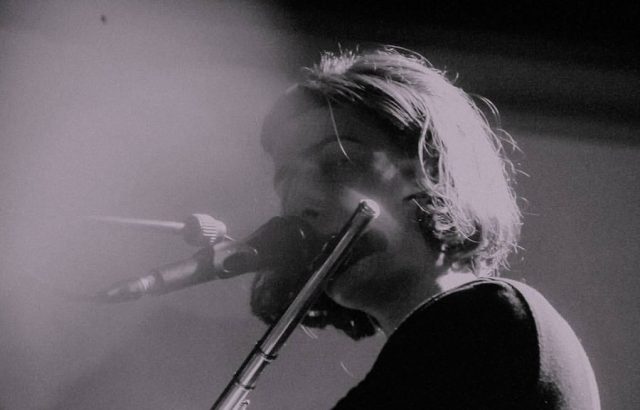
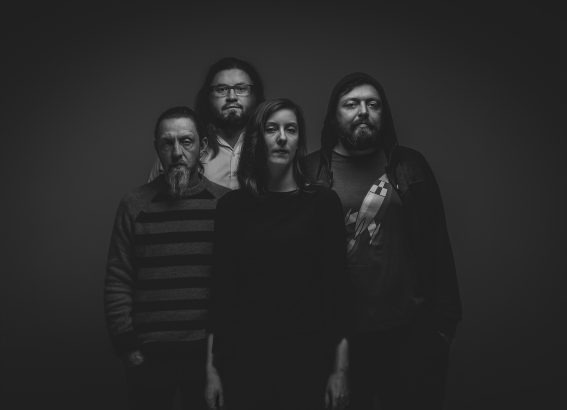
Violeta Azevedo is a Lisbon musician who builds expansive soundscapes with her processed flute. We had the chance to talk to her before her performance at the third Noite da Raposa about her solo work and her connection with her instrument, among other things.
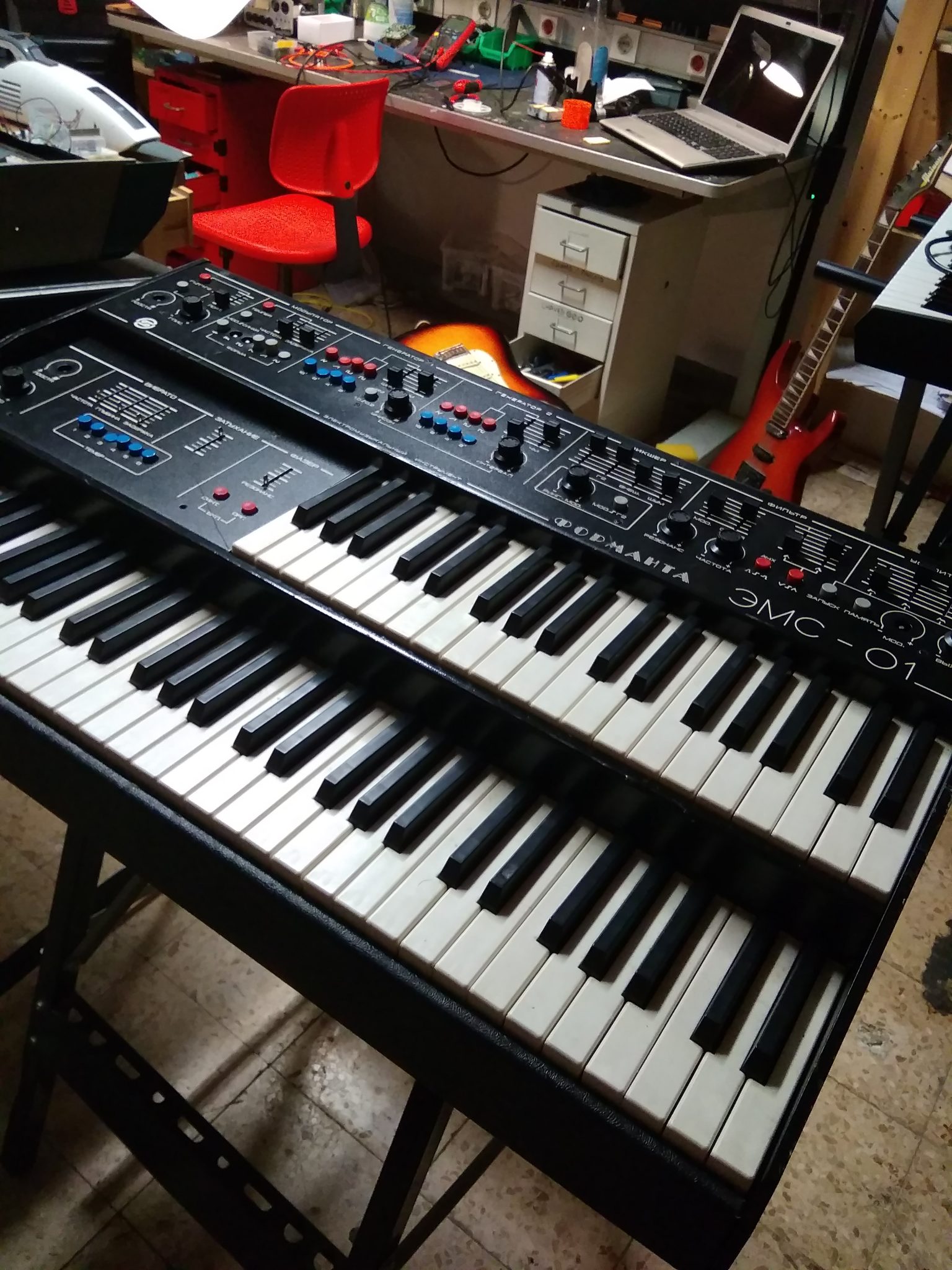
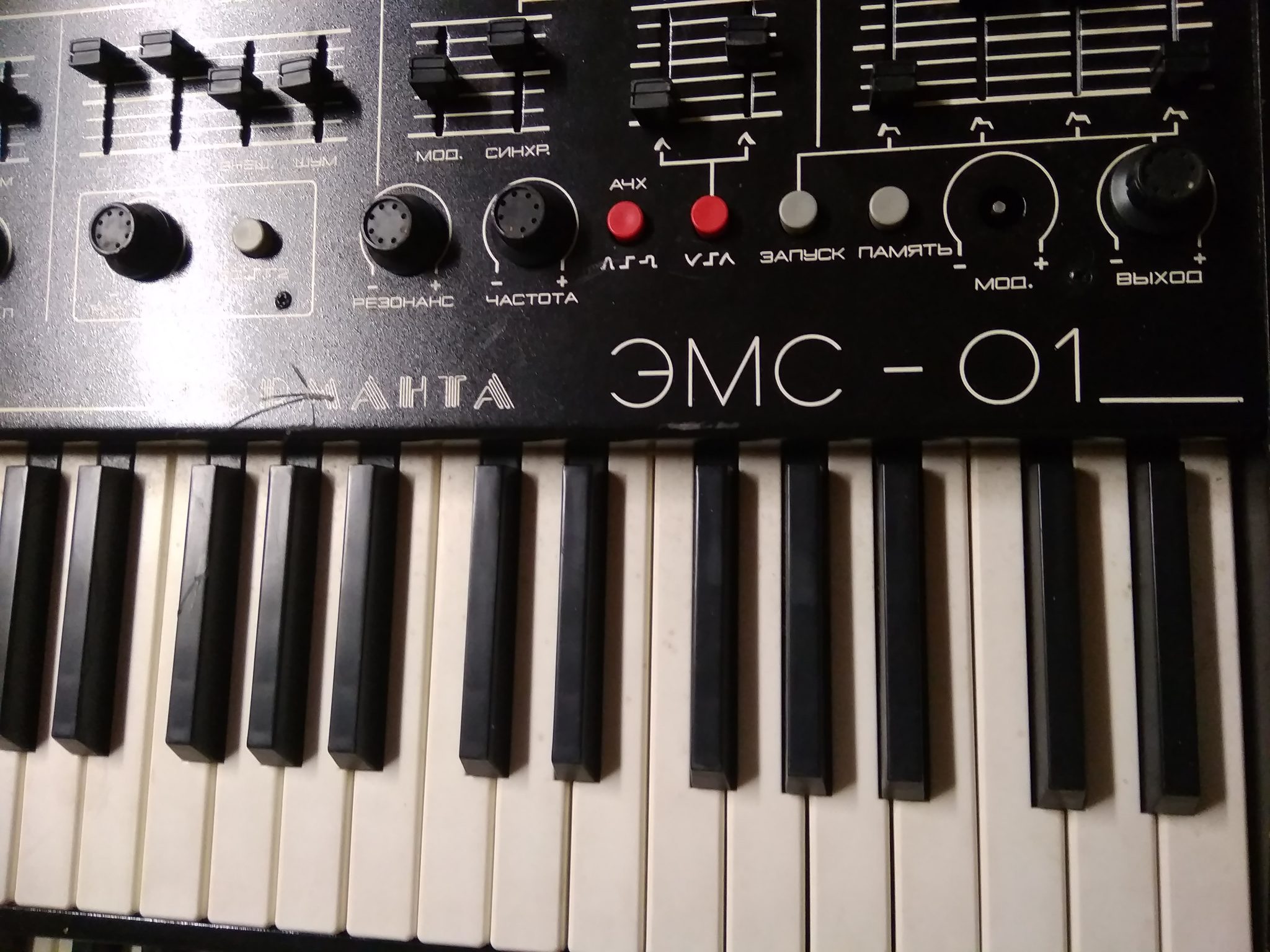
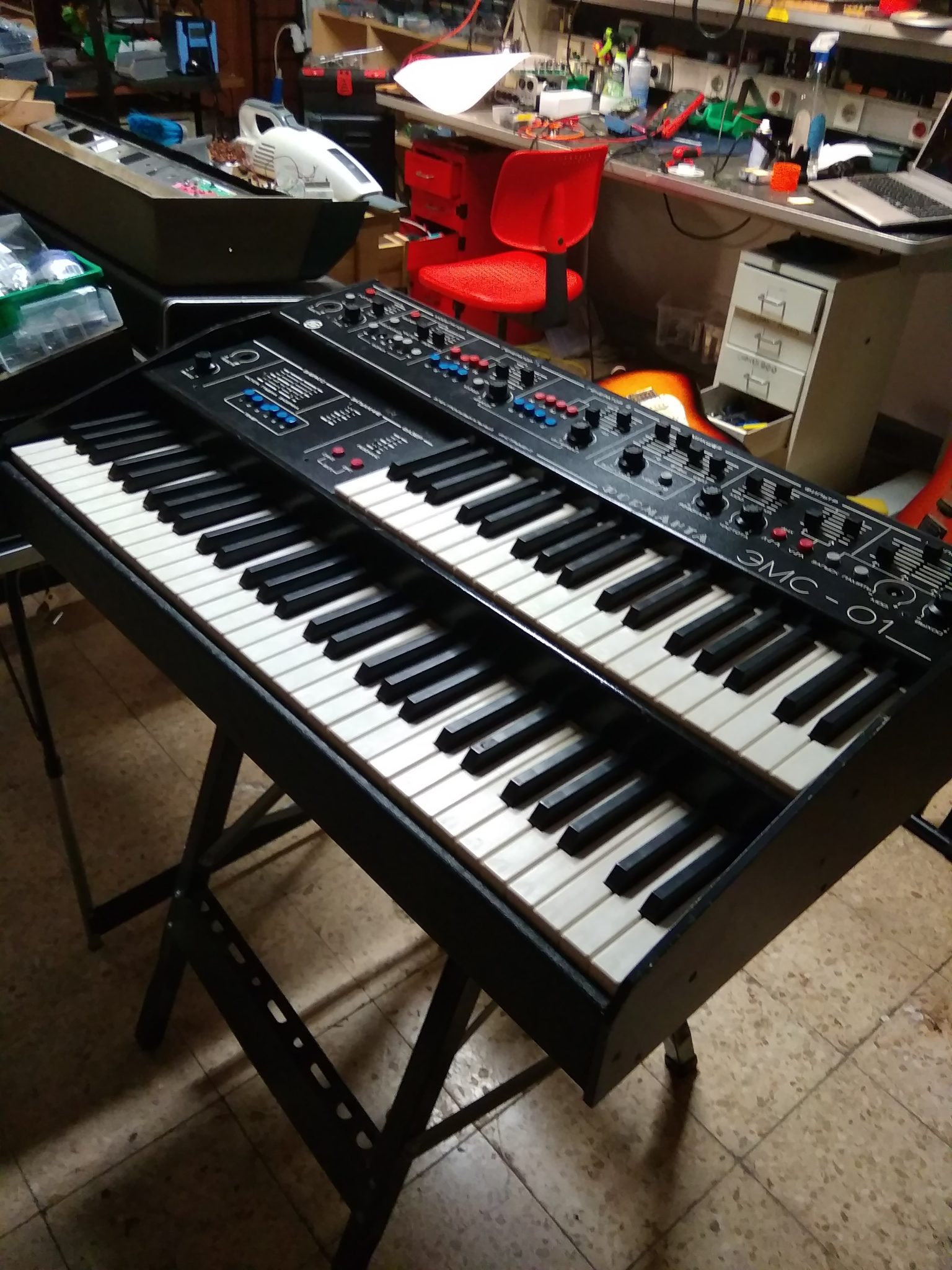
Photo of Violeta Azevedo by Ana Viotti. Photos of the Formanta EMS 01 courtesy of Violeta Azevedo.
You’re a part of various musical projects, including Jasmim, haraem and Savage Ohms. Can you tell us about the differences between your solo music and your other projects and the methods and inspiration behind it? Do you plan on recording any solo music in the near future?
Yes, I should record something this year, hopefully. I already have some recorded music, but I haven’t released anything yet. I think that playing solo frees me quite a bit to do what I want to do, I use a lot of pedals, more than in my other projects (even though I also have the freedom to do that there), but there it’s a different type of music. When I play by myself, this is what comes naturally, but with other people the interaction with them leads to different results.
Yes, I should record something this year, hopefully. I already have some recorded music, but I haven’t released anything yet. I think that playing solo frees me quite a bit to do what I want to do, I use a lot of pedals, more than in my other projects (even though I also have the freedom to do that there), but there it’s a different type of music. When I play by myself, this is what comes naturally, but with other people the interaction with them leads to different results.
Yeah, I played at Irreal, at Lounge, at Desterro and at Salgado’s birthday, two years ago…there’s been a few, and it’s been cool, it’s a nice way to improve as a musician and try different things.
Did any of those stand out for you?
The one at Irreal was my favourite so far, I felt at ease and the performance flowed the way I wanted it to from beginning to end, I was always in control and enjoying myself…it was really cool. I always inspire myself in the venue, I create the piece for the space where I’m playing.
I was about to ask you that – when you perform solo do you have an idea of what you’re going to do, or is it completely improvised?
It’s fifty fifty: I compose a basis for the performance, and I know which effects to use to get to the sound I want, but the performance itself is improvised based on that.
What draws you to the transverse flute as an instrument? Do you have any flute “heroes” that you particularly like?
Hmm…There’s a few flautists that I like, but I think that what inspires me in the flute is its sound and what I can achieve with it and the effects, and I also use my voice, which is really similar to the flute in a certain way…I have a hero, Delia Derbyshire, but she doesn’t play the flute…my interest in the flute is really more about its sound and texture. It’s the instrument I’m more comfortable with, and I can create more and more interesting textures when I play it.
How did you first start playing it? Did you study it at school or something like that?
My mother wanted me to learn an instrument and she gave me a list. I closed my eyes and pointed at the list and there it was, so I started learning it when I was 9. It was a classical education, which I hated, and I quit when I was around 15. Only years later, when I was about 20, did I start playing it again. At that time I was just improvising with it – I enjoy playing in a more “organized” way too, but before that I had never tried to improvise and make music on my own, I didn’t even know what actually enjoying playing the flute was like. Only after.
You work with Rui Antunes at Analog-Repair, which restores and repairs synthesizers and other electronic instruments and effects. What was the most interesting piece of material (instrument or otherwise) you’ve worked with over there?
Recently we’ve been repairing a synth that we bought, a Russian synth which was used for film music and it’s the best synthesizer I’ve used up to this day, it’s incredible, called Formanta EMS 01. It’s a big synthesizer, with an organ keyboard below and a mono synth part on top, with a filter like the one on the Polivoks but better, it can do similar sounds but also a million other things. A friend of ours (who had already found a Polivoks for us) found it and asked us if we wanted it – it was broken (as is usually the case), but we fixed it. But I love all kinds of analog synthesizers, they all are interesting in different ways.